Soundproof curtains are often considered by homeowners who live in busy or crowded environments, or simply want a quieter home. However, many homeowners may be unsure about whether soundproof or acoustic curtains truly live up to their claims in blocking noise. If you are wondering the same thing, this article will explore how soundproof curtains work based on acoustic research and help you set realistic, informed expectations before purchasing them for your home.
What Are Soundproof Curtains?
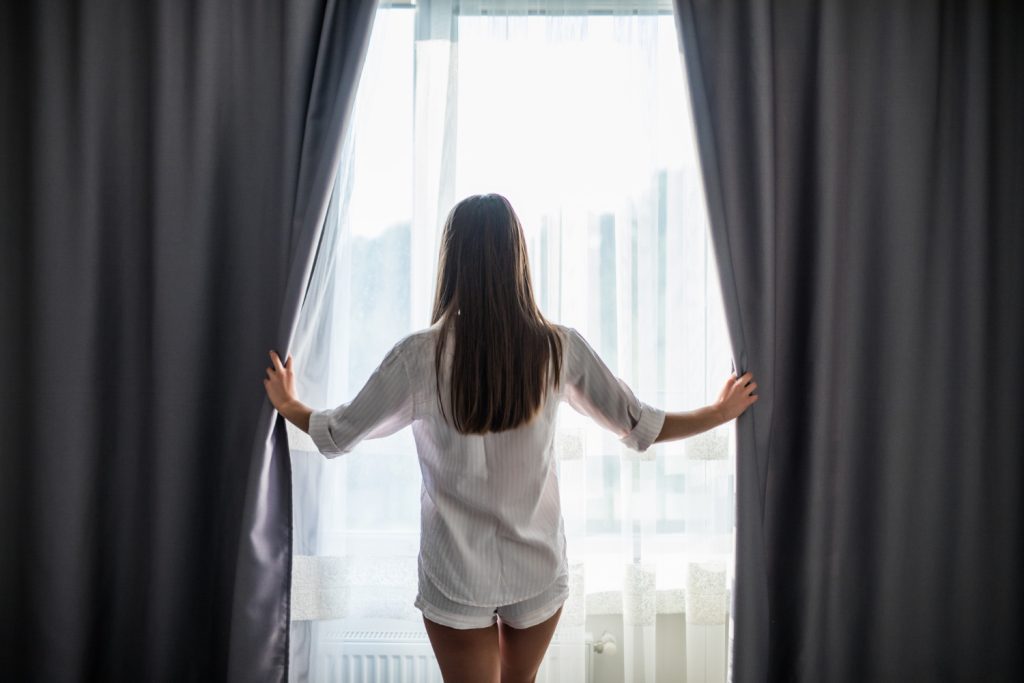
Soundproof curtains are curtains that block, absorb, or reduce external noise in addition to providing privacy and light control like regular curtains. They are typically made from several layers of dense, sound-absorbing materials such as foam, mass-loaded vinyl, and fibreglass. These materials make them capable of keeping out noises from aeroplanes, traffic, and construction, making them valuable window treatments in luxury and business accommodations. They are also increasingly popular for residential homes, especially those in a packed or noisy area.
The term soundproof curtain is often used interchangeably with acoustic curtain, as both types of curtains help lower noise levels. While soundproof curtains help reduce sound transmission from the outside, acoustic curtains are used to absorb sound inside a space, enhancing the acoustics and privacy of a space. Soundproof curtains often have thicker materials than standard, lighter acoustic drapes.
How Do Soundproof Curtains Work?
Soundproof curtains work through two concepts, sound absorption and sound blocking. Sound absorption is what happens when sound waves hit a hard surface in a room, causing them to bounce back around the room and create echoes. Curtains can absorb some of this sound energy into their fabric, and less sound echoes around the room for better acoustic comfort. The thicker and more layered a curtain is, the better the sound absorption.
The second principle is sound blocking, where any sound from the external environment is blocked from entering the room in the first place. This is more challenging to do, which is why soundproof curtains need to be heavy, well sealed, and installed correctly.
What Types of Noise Can Soundproof Curtains Reduce?
Soundproof curtains are known to be more effective at blocking high frequency sounds, such as voices, phone rings, birds, sirens, and general noise in urban areas, compared to those with low frequency such as heavy traffic rumble, heavy machinery, or bass music. This is because low frequency sounds have longer, stronger waves that can pass through the fabric easily.
This frequency dependent ability of soundproof curtains to reduce sounds explains why deeper background noise can still be audible inside your home. However, soundproof curtains are generally enough to lessen most unwanted noise, making your room feel calmer and less harsh.
How to Choose the Right Soundproof Curtains
Several factors play a crucial role in ensuring optimal sound reduction, including the type of fabric, number of layers, and curtain length. Here is how you can choose the right soundproof curtains for your home.
Choose the Right Fabric Weight and Density
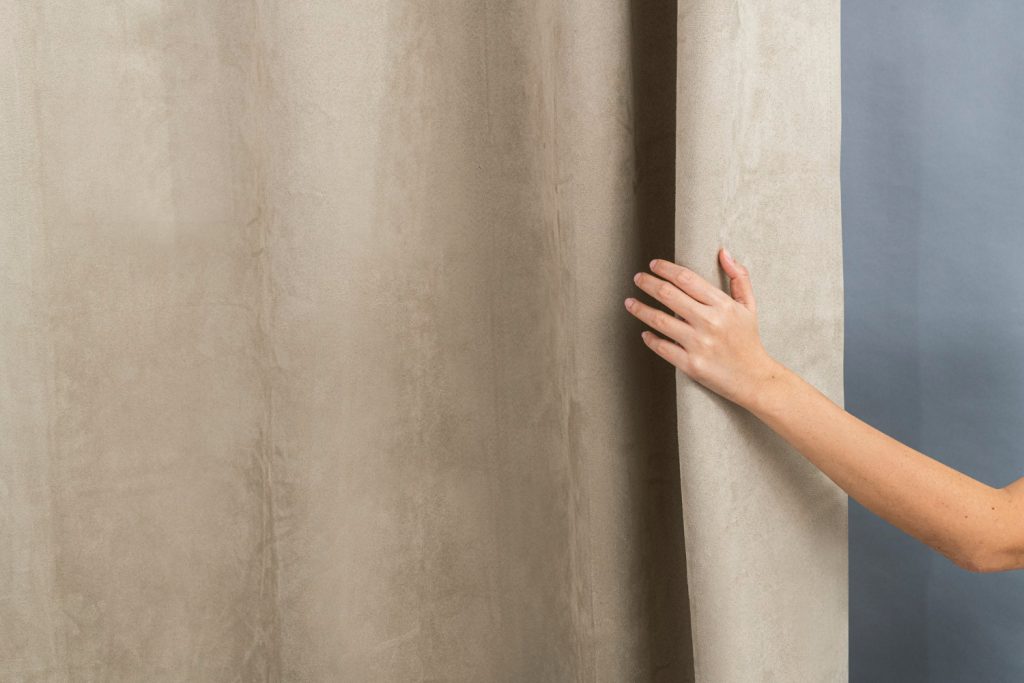
Fabrics with heavier weight and density generally perform better at reducing noise and dampening sound energy. Standard cotton or polyester curtains are often too thin and lightweight to lessen noise, so go for curtains made of materials such as thick velvet or suede. Additionally, soundproof curtains with dense linings or interlinings can add mass without making the curtain stiff, providing multiple layers to improve sound absorption. You can also consult with us to find a suitable sound-absorbing fabric for you.
Go for Curtains that Give Full Coverage
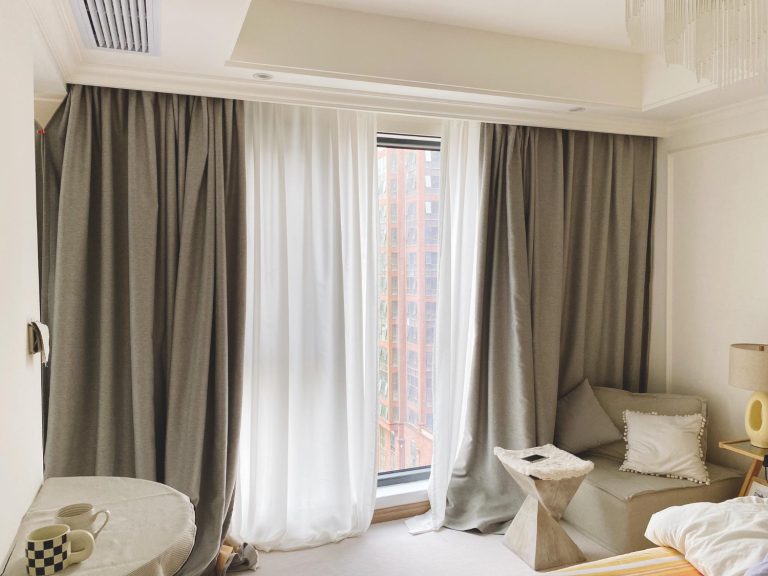
For soundproof curtains to work effectively, they should cover as much of the surrounding area as possible. This means choosing full-length curtains that hang from your ceiling to your floor for a continuous barrier for sound waves. Also, make sure that the curtains have generous folds or deep pleating instead being stretched tightly across your window, as this helps create acoustic traps within the curtain itself.
Provide an Air Gap
Hanging curtains slightly away from your window glass instead of directly against it helps provide an air cavity that acts as an additional buffer. Even a small gap significantly improves overall sound absorption, as sound waves lose energy before reaching the curtain. This is why getting your curtains professionally fitted is crucial, ensuring there is enough air gap for optimal functionality.
Choose Made-to-Measure Over Ready-made Curtains
Fit matters when it comes to soundproof curtains. While you may find ready-made soundproof curtains in the fabric and style that suits your liking, they are not tailored specifically to your window size. Made-to-measure options consistently outperform standard ones as they are customised based on your needs.
Enjoy a More Serene Home with Soundproof Curtains
In homes where noise reduction is a priority, soundproof and acoustic curtains offer an effective and stylish way to keep your home peaceful and private. Getting to know how they work helps you have an objective understanding of their performance rather than relying on them for full soundproofing.
Looking for curtains in Singapore? Fabrix Shades provides a wide range of soundproof and other types of curtains for your home. We also provide installation services, ensuring that your curtains fit snugly over your windows or walls to prevent any sound leakage. Book a consultation with us and explore our curtains today!